Visualizing the identity puzzle

As I’m preparing for an upcoming talk at the GRC “Visualization in Science and Education” conference at Bryant University, R.I., I’m trying out different types of visualization tools. Among other topics, I’ll be talking about avatar identity and what this means in terms of learning. For this part I’m considering the use of a puzzle and this is simply a test to see how it works embedded here …

Click to Mix and Solve

/Mariis

Virtual Worlds Best Practice in Education 2011 panel

On March 17-19 the 4th annual Virtual Worlds Best Practice in Education (#VWBPE11) will be taking place in SL and other Virtual Worlds such as OpenSim, World of Warcraft, Eve Online and Club Penguin.

The VWBPE is is a community-based conference that provides opportunities for participants in all virtual worlds to share current research,  teaching, and learning practices in 3D virtual environments. This 53 hour conference will provide opportunities for sharing and further understanding virtual world technology, and will focus on teaching/learning, scholarly work, projects, events, activities and new and innovative tools for virtual education. According to the VWBPE-website this year’s conference is about people, the community, and it’s about being together;

This year’s theme is You are Here. The divide between what is real and what is virtual is a state of mind. We learn everywhere and you are already here.

Here is all around you:

  • Here is where we find the great successes and even failures.
  • Here is where we expand our borders.
  • Here is where we touch what is important to those we teach.
  • Here is where we learn and live and play.

I have been attending the conference for a couple of years as an observer, which has been very inspirational, and I highly recommend anyone interested in 3D Virtual Worlds to participate in this amazing, free event! :-)

Furthermore, this year I have the great pleasure of doing a panel discussion together with 3 SL friends and colleagues: Chimera Cosmos, Spiral Theas, and Gann McGann.
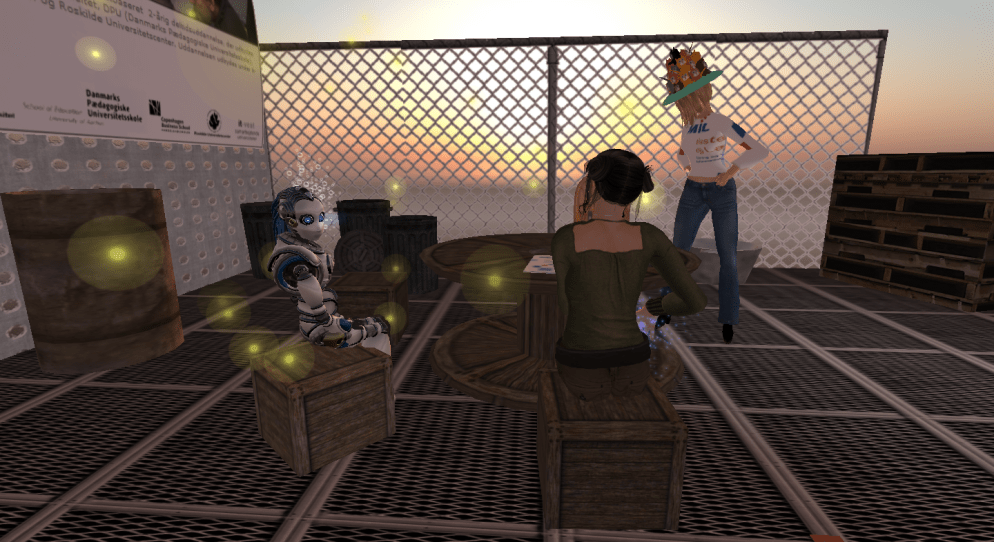

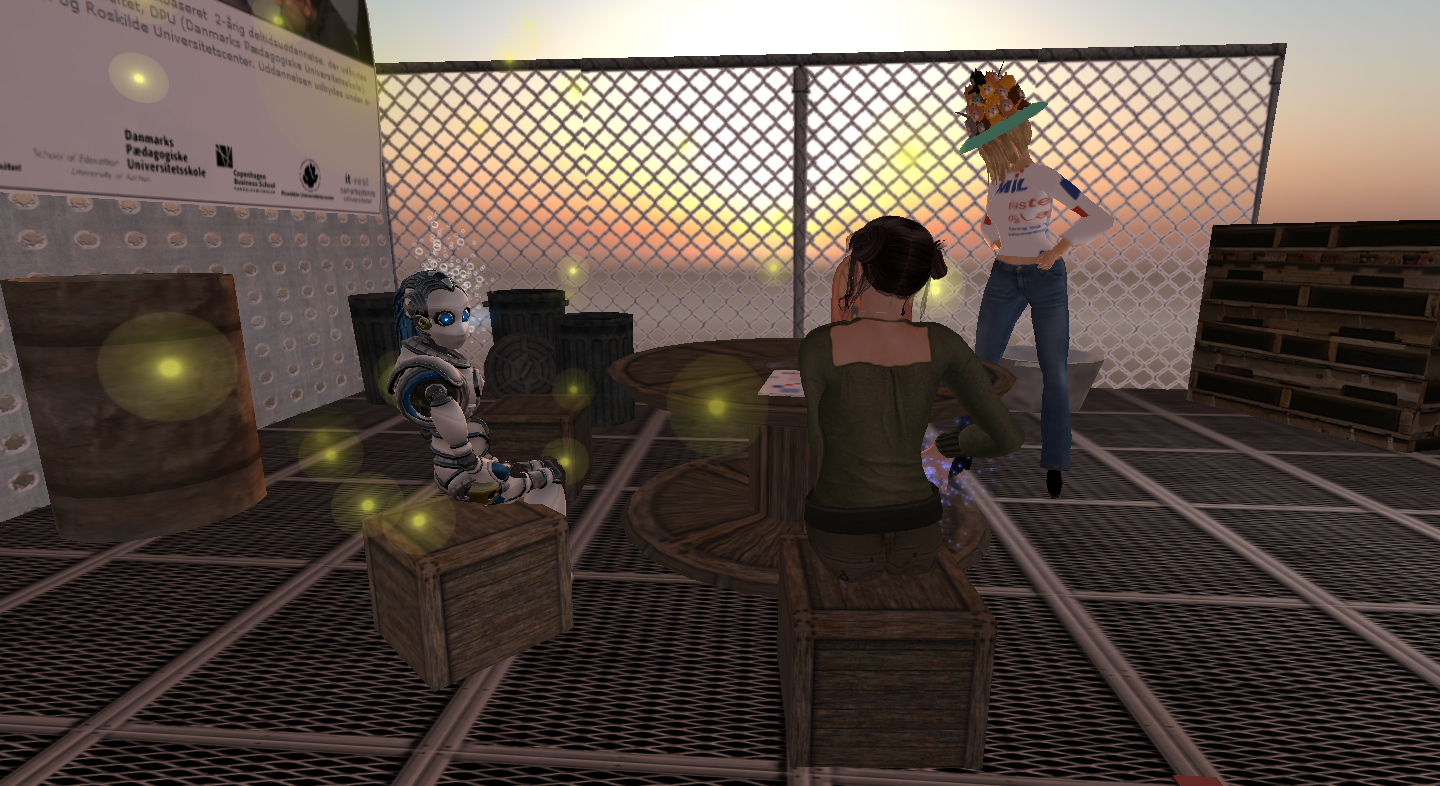
First planning session on my holodeck with Gann & Chimera

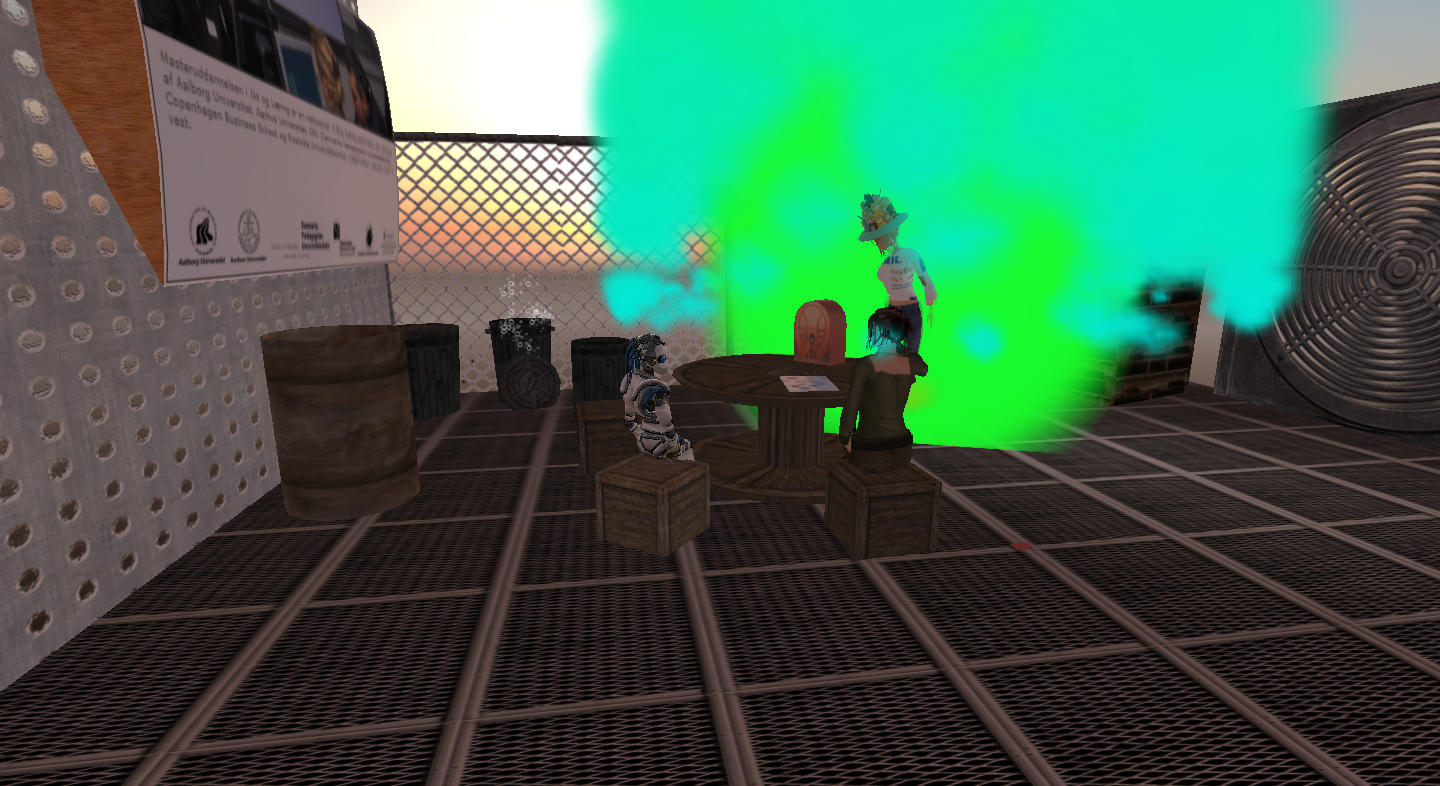
Our session is entitled: Hats, HUDs, Wands and Weather:  Building Activities for Engagement in Second Life. One of the things we all appreciate about SL is the fun and playful parts of this environment, which could include changing the avatar’s appearance and using different types of artifacts – e.g. in our first meeting Chimera couldn’t help but show off one of her magic wands ;-)
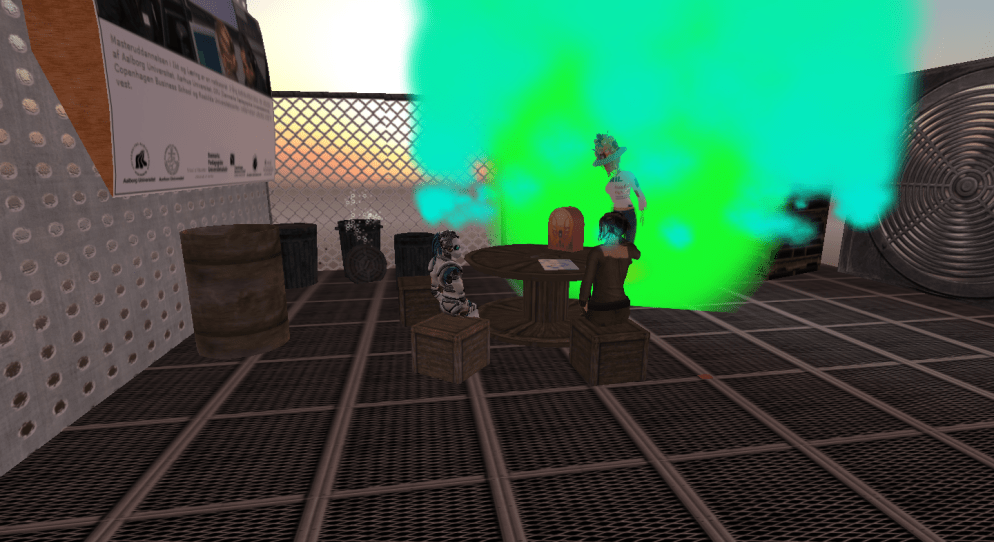

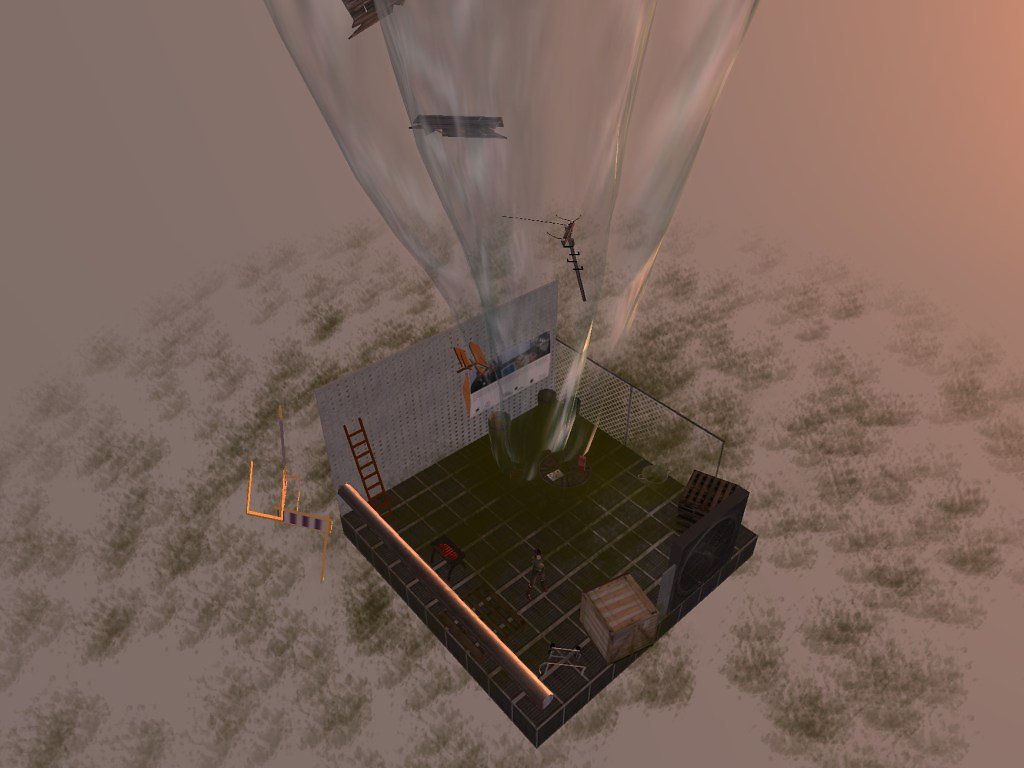
And in fact after Gann and I left, Chimera used her tornado stick on the holodeck as seen in this photo from Chimera’s KoinUp stream:


Chimera’s koinup

While the user-controlled ability to change both the environment and one’s appearance definitely is an important part of SL, we as educators are also concerned about the kind of activities that can promote, facilitate, and not least sustain engagement in teaching and learning in an environment such as SL.
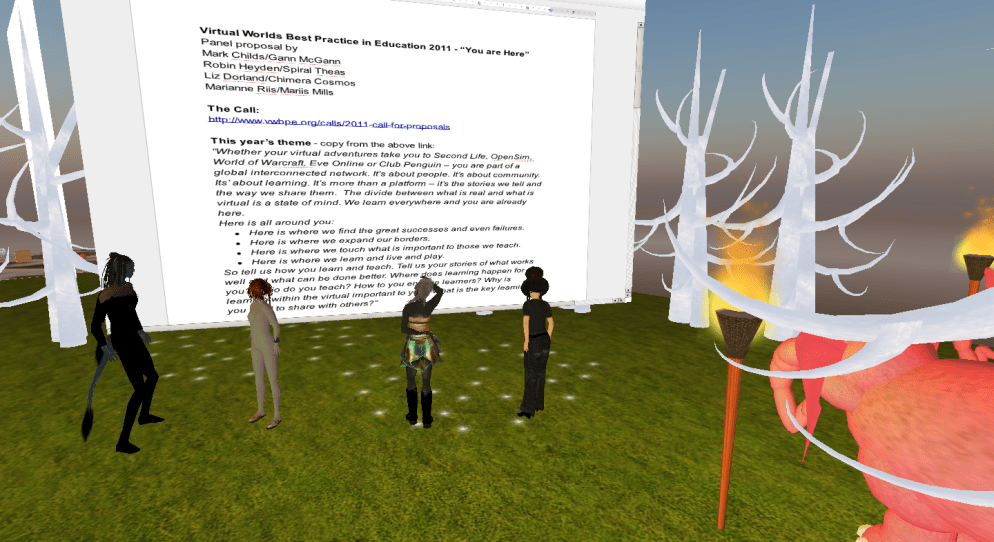

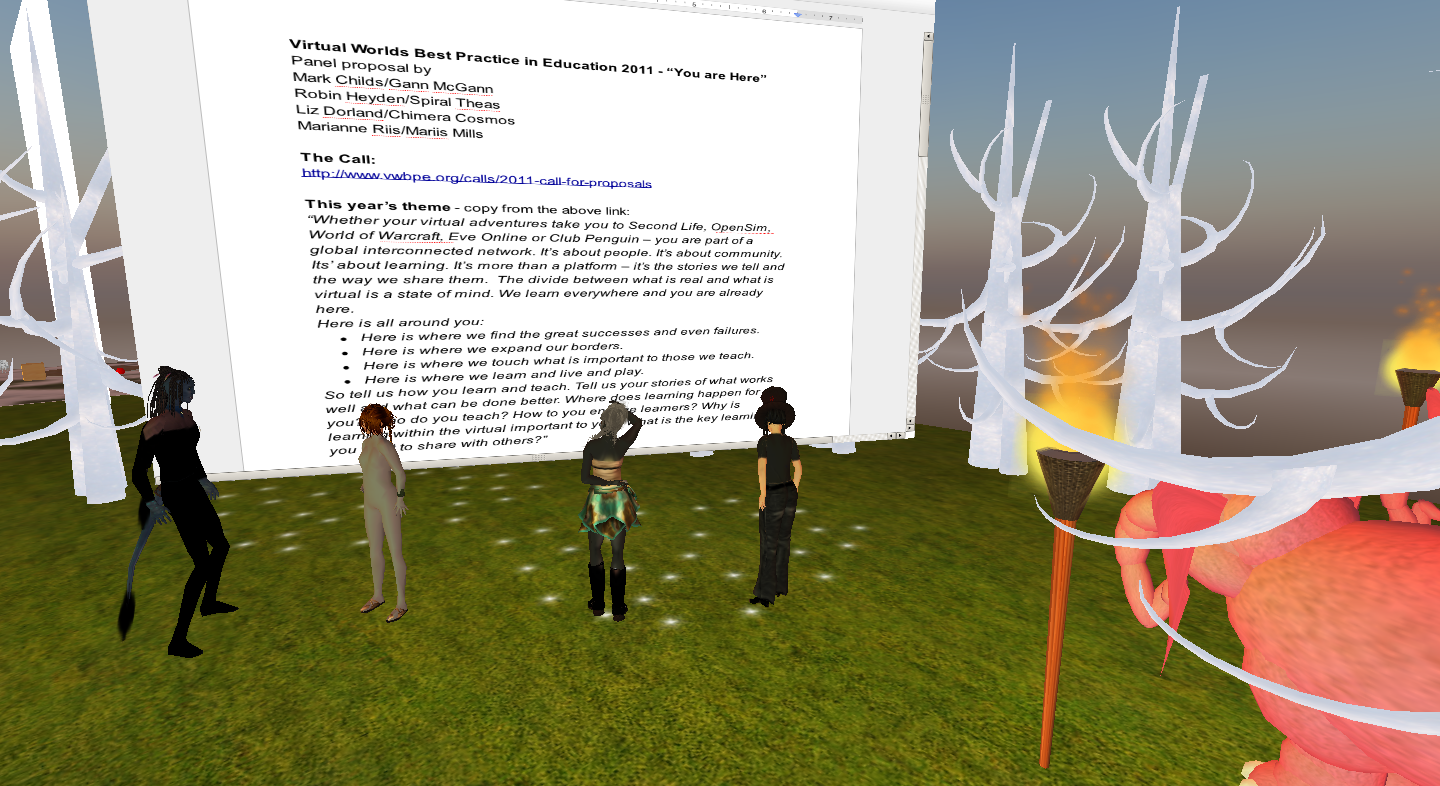
Gann, Spiral, Chimera and I discussing the call for VWBPE in our second meeting

We all have both positive and a few negative experiences with teaching in SL, and so in our panel we have decided to focus on activities that help overcome some of the barriers for meaningful, and sustained engagement in SL as stated in our proposal:

There are numerous barriers to engagement in virtual worlds. First, new residents must become familiar with the interface. Beyond technical considerations, the nature of their early experiences will determine whether and how quickly they will build an identification with their avatar and a reason to stay. Without this, it is likely that their interest in further engagement in the virtual world will lessen and their participation will drop off. A sense of presence and identity through embodiment and immersion is an important contributor to ongoing and satisfactory participation in the world and finding the motivation to continue to return until the technical and navigational thresholds are surmounted. This roundtable will discuss the essential acts, the “ah-ha” or Eureka moments, the triggering gizmos, features, activities or places that inspire students or colleagues (and have inspired us) to continue to participate.

In other words, what works to help new residents pass these technical and navigational thresholds? The speakers will share their own stories drawn from their work with students in higher education, business people, health professionals, and education colleagues. Presentations will include demonstrations and audience participation.


Spiral and I chatting under the Blue Thinking hat before our third panel meeting
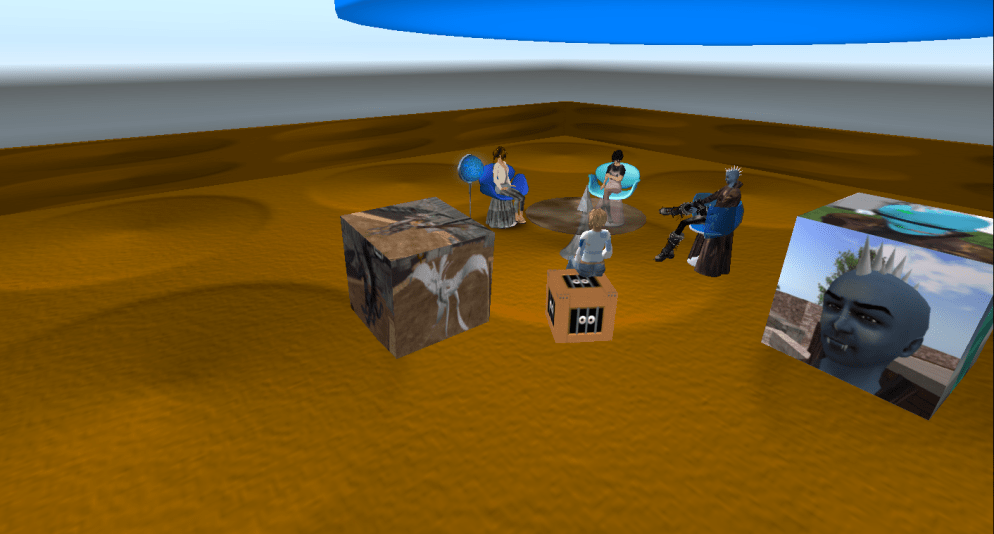

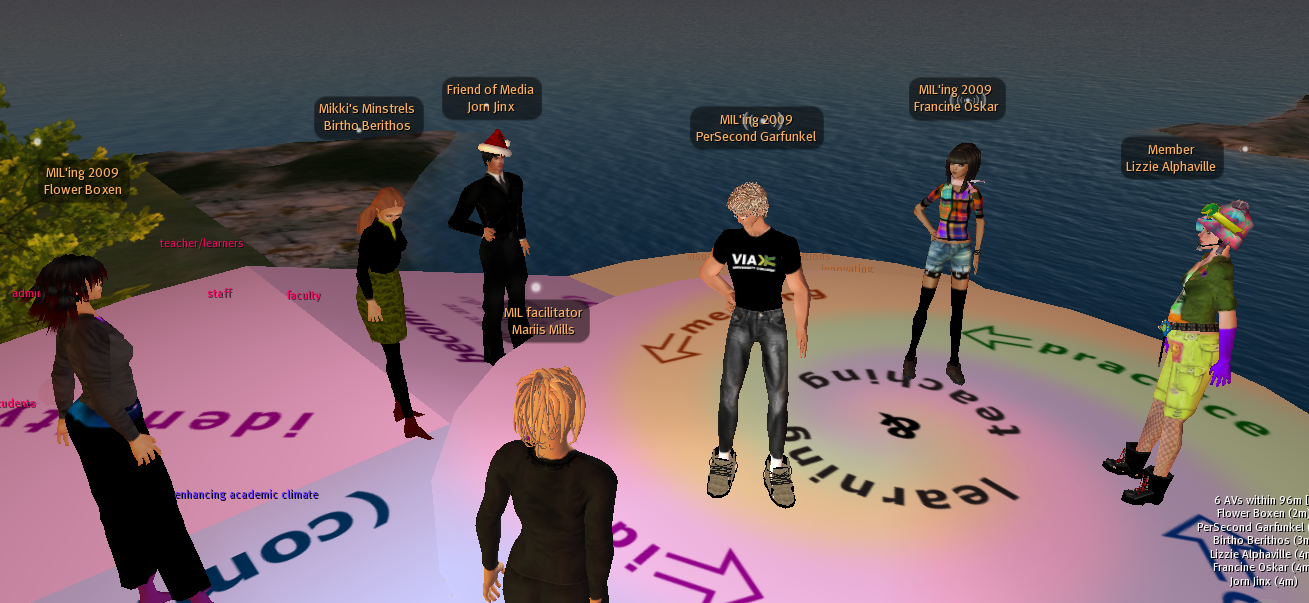
Identity issues are very important in SL – and we will be showcasing Identity-cubes as part of the session

As mentioned above Gann, Spiral, Chimera, and I will be sharing some of our experiences, but we are also very much hoping to hear from the audience, and so we hope You will join us :-)

Update
We will be presenting Friday, March 18th from 8AM-10AM SLT (16-18 Dansk tid) – Building South, Room South Auxiliary, and the rest of the schedule can be found here

Also please note that even though the conference is free, you need to register in order to participate via this link. By registering you will be helping the organizers plan out resources to ensure the conference runs smoothly and that there is allocated enough space to ensure everyone gets an opportunity to participate.

/Mariis

For inspiration here are three posts I wrote about VWBPE last year:

First day impressions

Second day impressions – part 1

Second day impressions – part 2 – this one also includes my reflections on Chimera & Spiral’s 2010 session

Case MIL09: Student analysis of SL – part 4

Flower

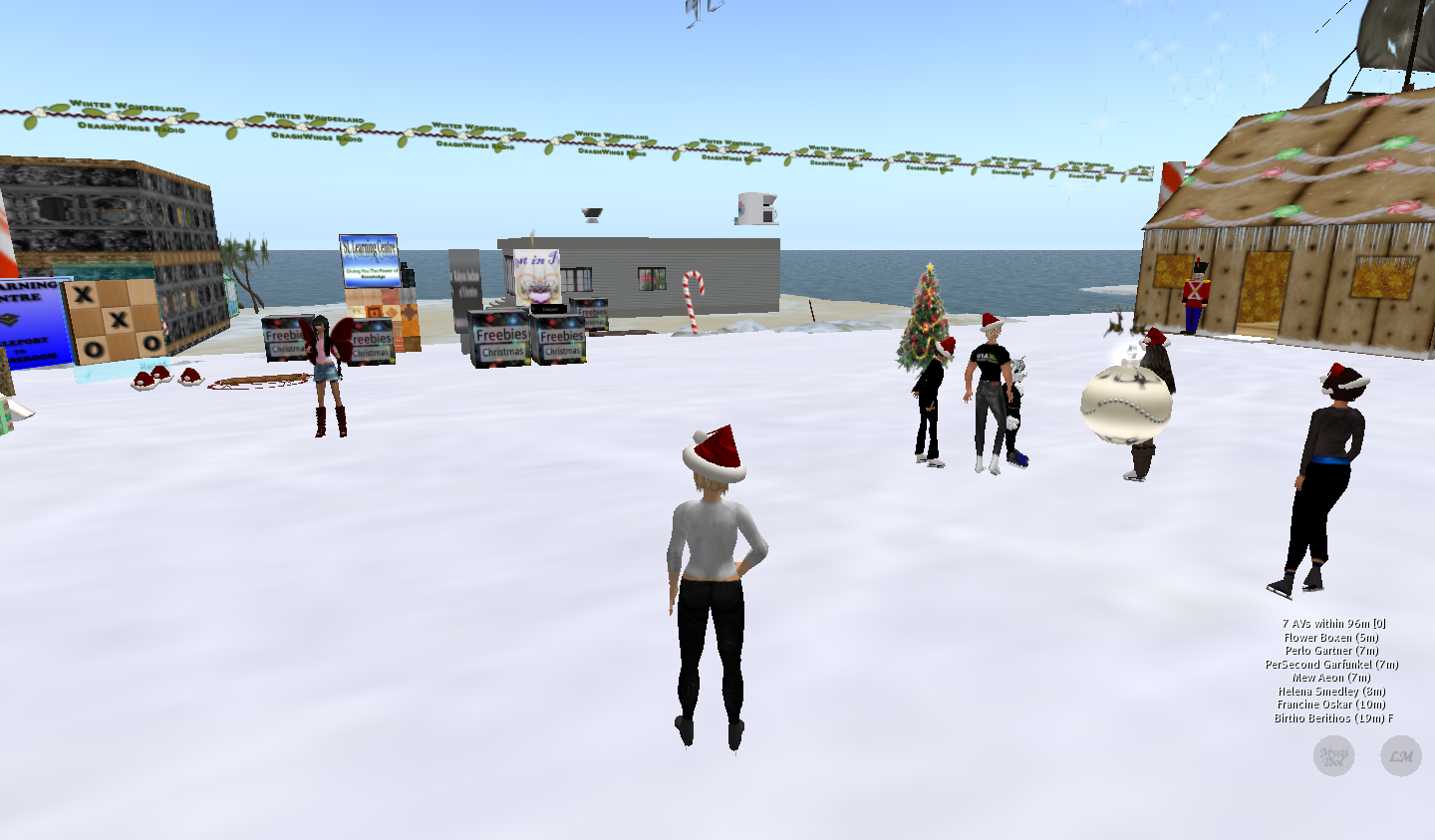
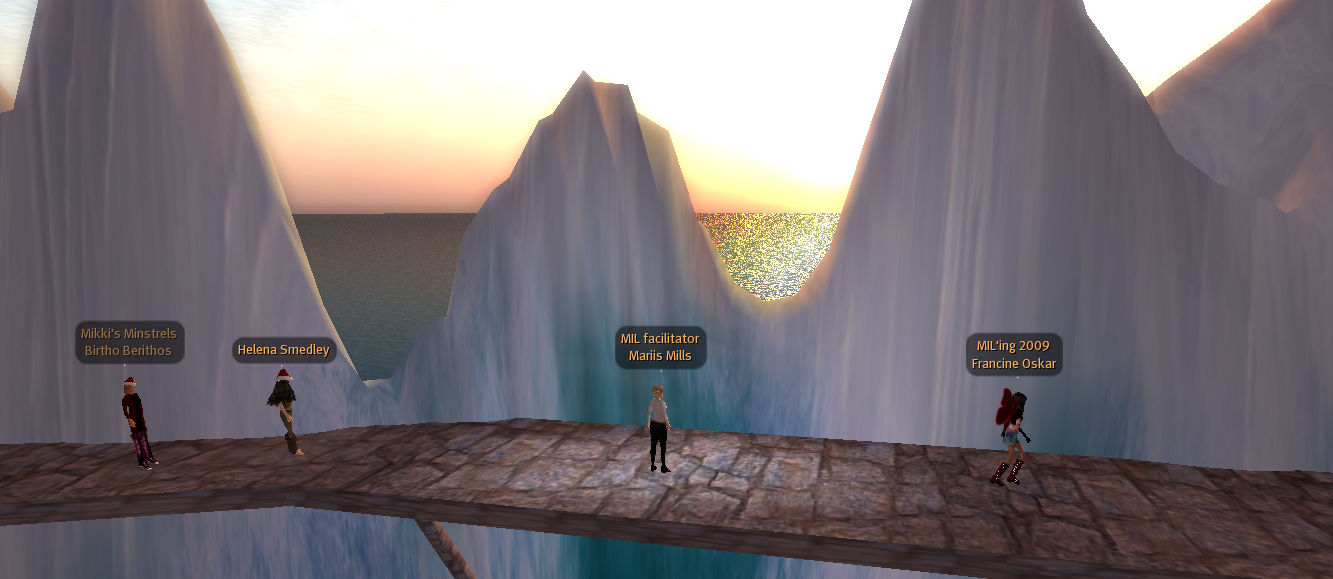
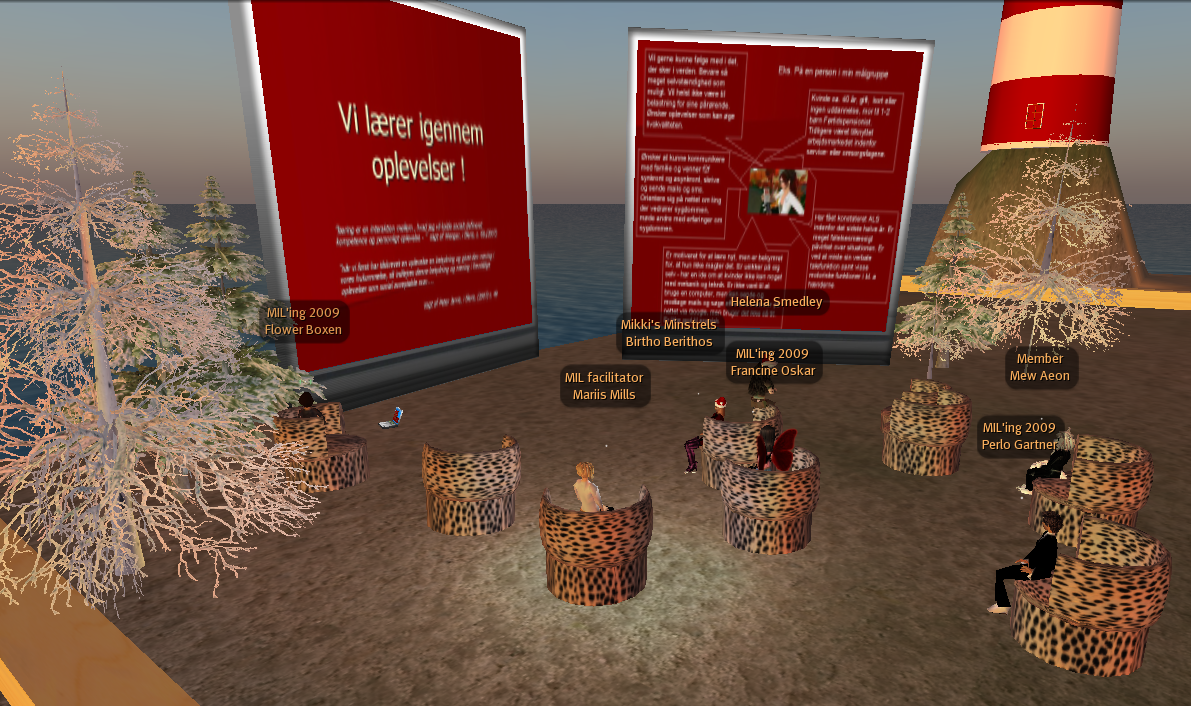
The fourth and final synchronous analysis of SL in the MIL course was done by Flower and the theme for her presentation was that “we learn through experience”. Now, this is one of the rare occasions where the English language doesn’t fully cover the meaning of a Danish expression. In Danish we have two different words for “experience” – briefly explained one which deals with the more rational type of experience and the other which deals more with the emotional type – the latter – and the one Flower referred to – is perhaps best known in the Anglo-American sphere through the concept of “Experience economy”.  The two words are however not mutually exclusive and I’m afraid  the nuances are a bit more subtle than I’m able to explain … Anyway, the important point for Flower was that we learn through engaging experience and to illustrate this, she started out by taking us to Phantasy Acres, where we received Christmas gifts and went ice-skating.


Fitting objects can be tricky – and may change your appearance  radically .. especially if you’re a cat ;-)

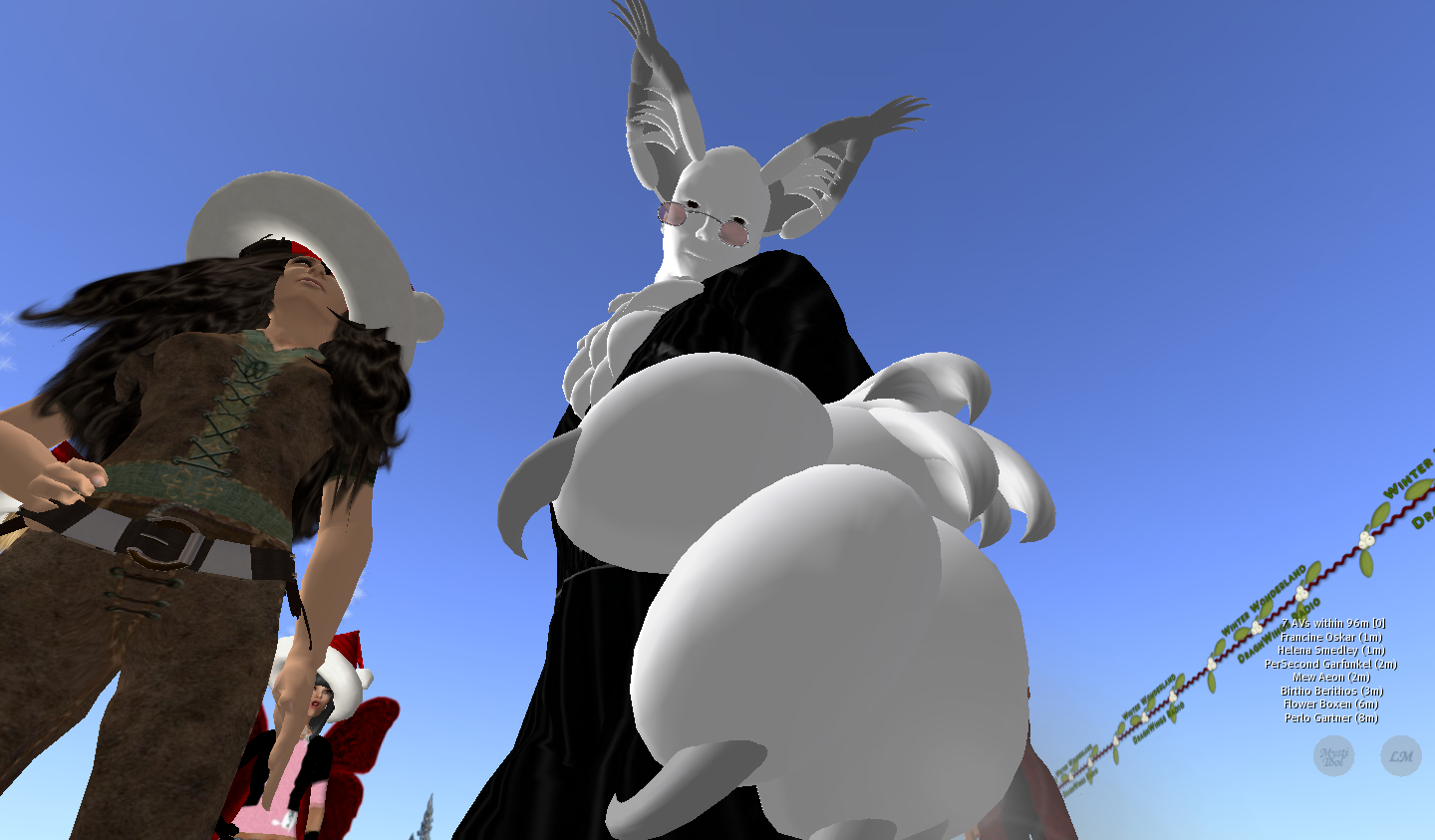
It was highly interesting to observe how the majority of the students actually seemed to enjoy the ice-skating activity – especially since this kind of experience adds no value for me personally.  Activities like dancing, car-racing, paragliding, surfing and the like are quite popular in-world. Feel free to accuse me of being unimaginative, but animating the avatar never really appealed to me.  In my own defense, I think this has to do with the augmentation-immersion problem, and I think Flower nailed it, when she later in her presentation showed a photo of me and my co-facilitator, Mew as examples of an augmentationist vs. an immersionist.

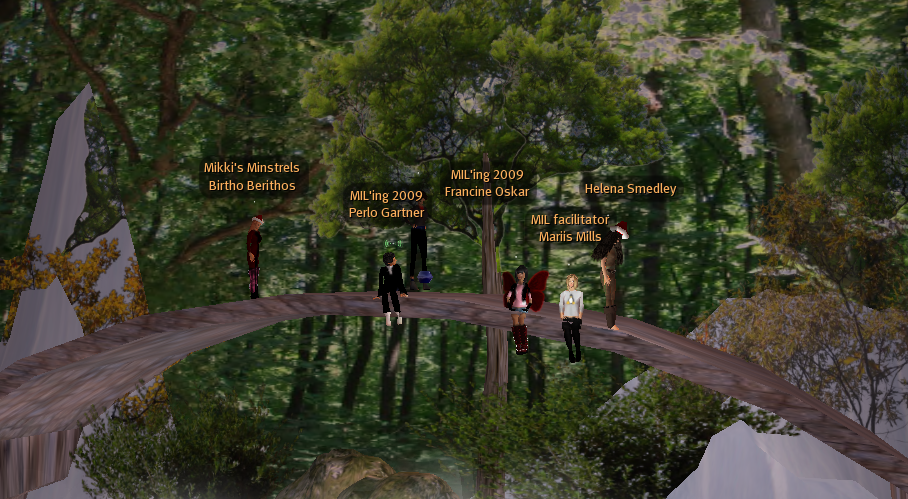
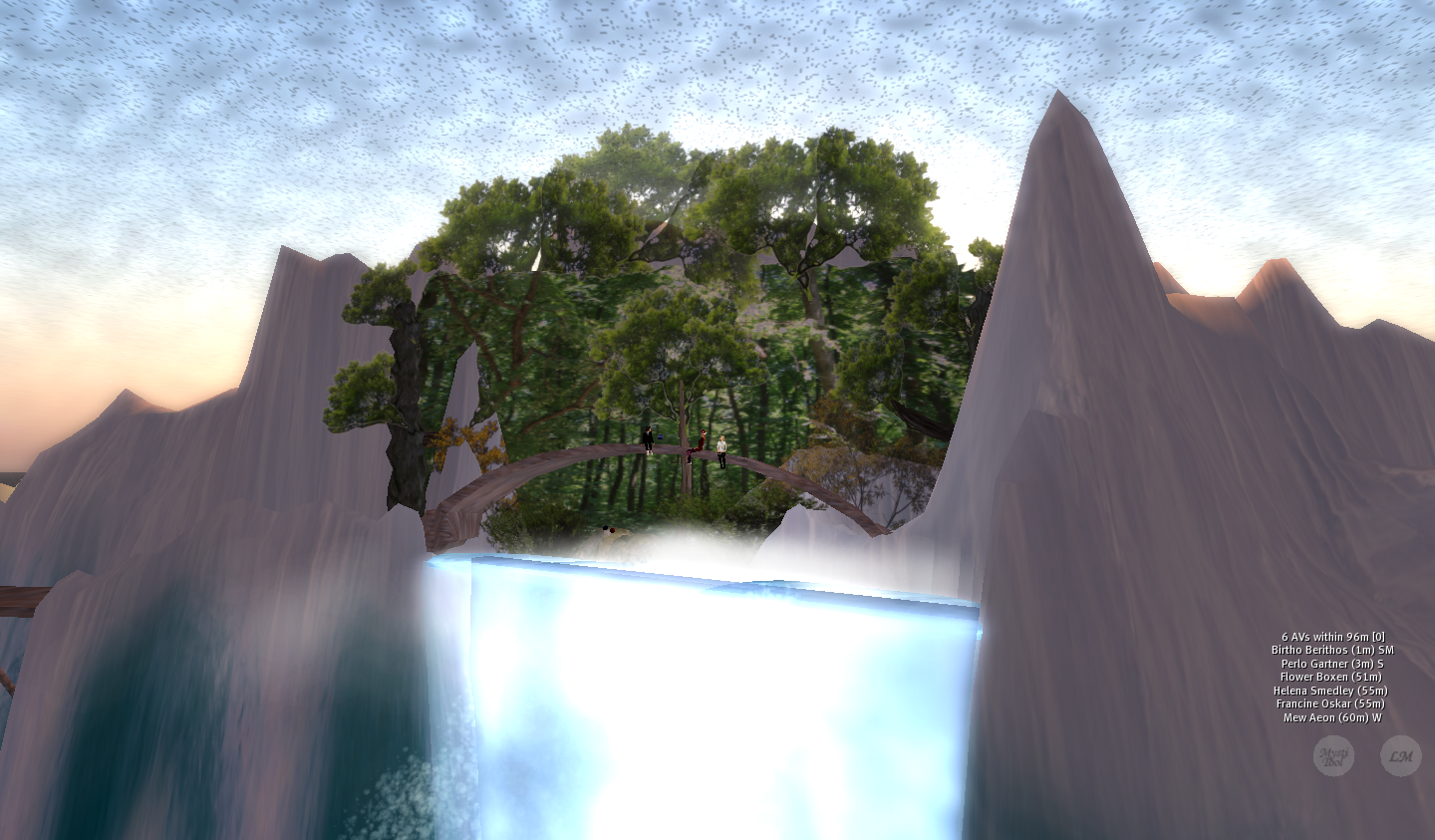
Next stop was Pax Island, where Flower asked us to explore the beauty of the landscape and finish off by jumping into a waterfall before returning to the sandbox on The MIL Island. This experience also included Mew and one of the students trying out a kissing pose – something definitely NpIRL!

Back in the sandbox on the MIL Island it became quite obvious why Flower had put so much emphasis on “experience” as vehicle for learning. RL Flower is a speech therapist and works with clients/patients who have been diagnosed with ALS. My knowledge of ALS is very limited, but Flower explained that her clients slowly deteriorate,  the disease affects their motor skills, and some lose the ability to speak/communicate. Consequently all clients end up in wheel chairs and become more and more isolated from the world. Theoretically Flower is inspired by especially Peter Jarvis, who has (among other things) accentuated the relation between sensory input and learning. The optimal outcome for Flower, if she should chose to use SL, would be to provide her clients with different types of experiences of being “somewhere” literally NpIRL in a social setting also enabling her clients to communicate without oral language in real time.

Flower was one of the MIL students who really had a difficult time learning how to master SL and in the beginning of the course when I strongly encouraged all the students to do their analysis based on their work practice target groups, Flower was very skeptical. But much to my admiration she kept on coming in-world, fought to overcome the initial barriers and never gave up no matter the technical difficulties and personal frustrations and feelings of being incompetent. Her presentation was flawless, well founded theoretically and very sober with regard to the disadvantages of using SL, and as I told her I was really impressed and proud on her behalf. It is experiences like this that really highlights the joy and satisfaction of teaching!

Judging from Flower’s own reflections on the course the most important lessons that she learned came from her own experience as a “newbie” which in many ways placed her in the powerless and uncontrollable situation that her clients often must find themselves in.  And this is something I recognize from all of the four courses I’ve run in-world so far. Those students who are teachers RL benefit greatly from being newbies – from being learners …

/Mariis

Case MIL09: Student analysis of SL – part 3

PerSecond

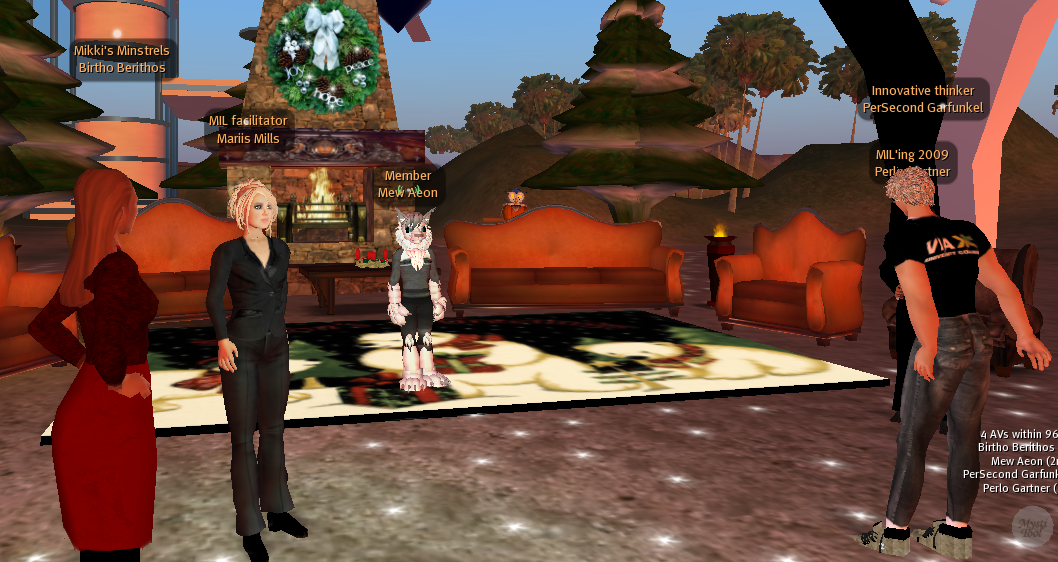
The third student analysis of SL was conducted by PerSecond and he had asked us to meet him at our regular meeting place in front of the fireplace on MIL’s island, but was otherwise very secretive about his presentation. As we were waiting for the other students to turn up we small talked about our avatars’ clothes – a topic that seems quite popular for both gender in-world. While it doesn’t make much sense to discuss the in-world weather, I do think the interest in the avatar appearance stems from a deeper need to figure out and find your way with the new identity.

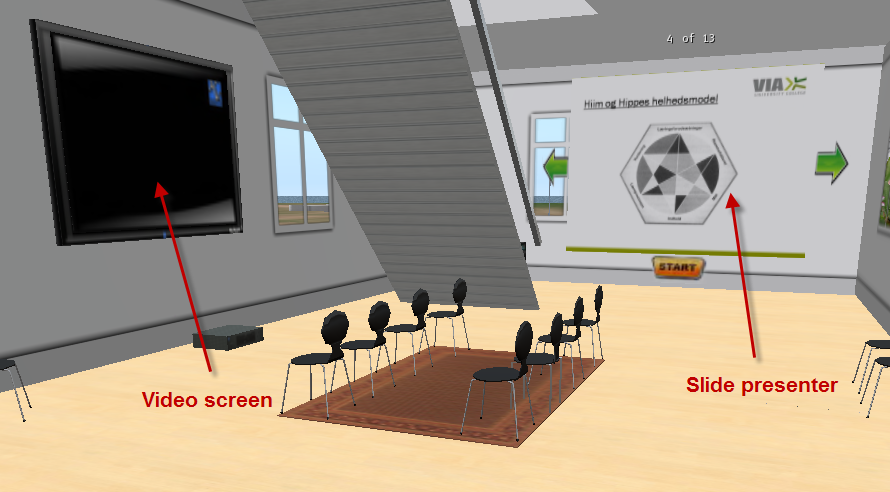
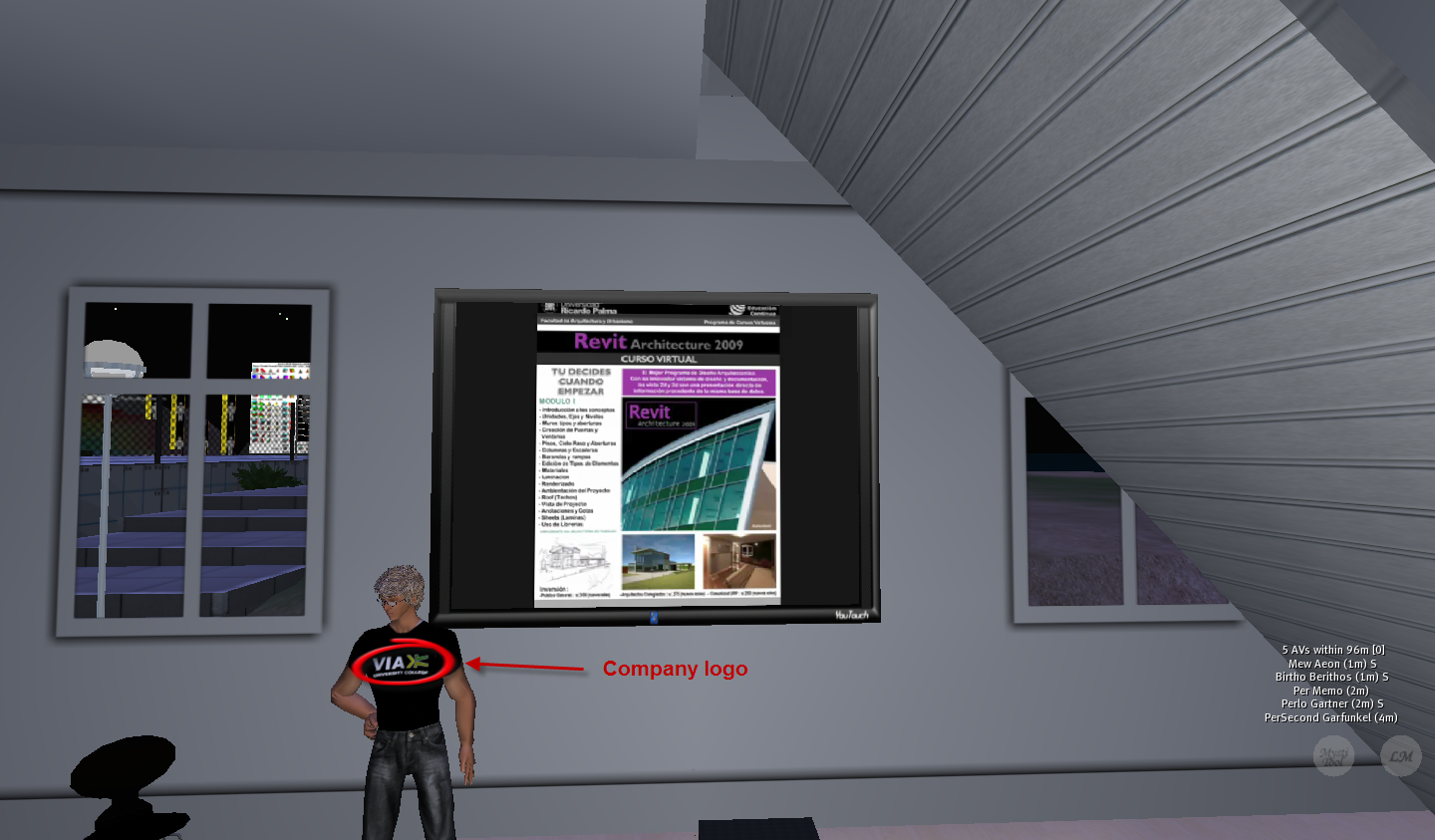
PerSecond was actually reluctant to change his appearance from the default look, when he first entered SL, because he didn’t want to put emphasis on that part, but as he learned that caring for your avatar’s appearance signals that you care for the world and are willing to make an effort to learn how to master the medium, he changed his mind. PerSecond told us that had recently received a t-shirt with his company logo, which enabled him to identify more with his otherwise estranged avatar, and as we shall see identity was part of the theme for PerSecond’s presentation. We then headed off to what turned out to be PerSecond’s own home on the Innovative Learning Island.  RL PerSecond works at VIA University College that offers a combination of vocational, higher and further education and they’ve had a presence in SL for quite some time, but it wasn’t until PerSecond entered the MIL course and thus was forced to spend time in-world that he became convinced of the teaching and learning potential of virtual worlds. For his presentation PerSecond had prepared an interesting set-up with a video screen on one wall and a slide presenter on another – a challenging set-up if you don’t master the camera:

Like Perlo & Francine, PerSecond also chose to use the Didactic Relation Model (showed above on the slide presenter) as basis for his presentation and analysis, but he also pointed to other relevant models and theoretical foundations and combined it with video clippings from a couple of other worlds most notably Blue Mars and Hipihi. PerSecond’s primary target group would be building construction students, and one of the main reasons as to why he has been hesitant with the use of SL, is the lack of possibility to integrate other 3D modeling apps in SL – something which Blue Mars offers e.g. through support of content creation tools like 3DSMax.


PerSecond showing another important tool: Revit

As part of the presentation we also went on a short tour to see part of the construction site that recently won the annual Danish e-learning award. It is one of the rare sites that also make use of relevant audio – as you enter the building you hear a lot of very loud background noise that would be normal at a construction site.


Be careful not to step on any of the dangerous cords on the floor!

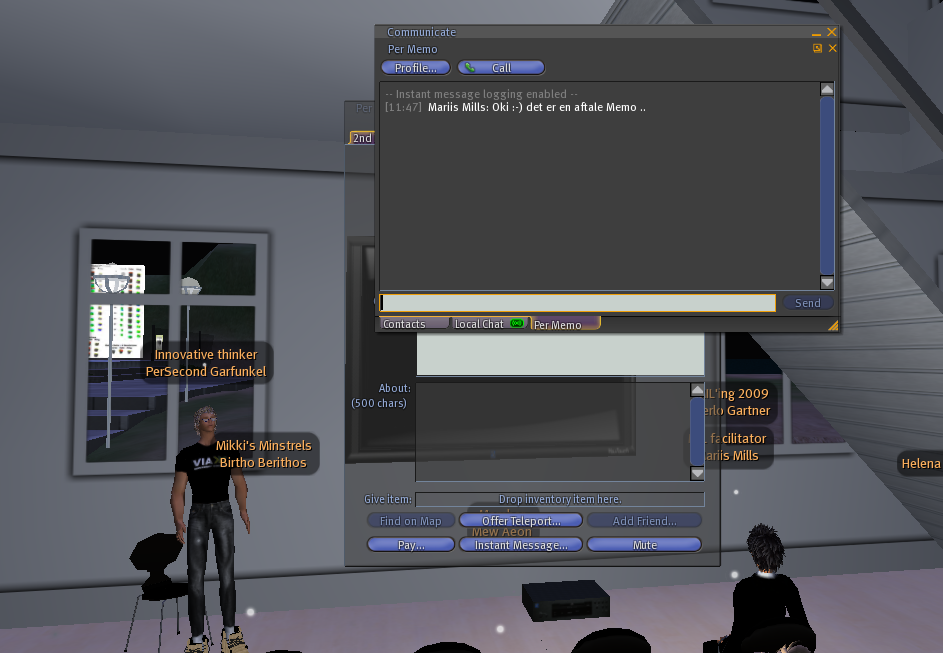
Using SL for work place training is obviously what appealed to PerSecond and he also envisioned different types of role play to enhance the professional identity of the students.  There are already different outfits for the avatars to wear near the construction site, so that the students could enact different professional roles, but as another example of role playing PerSecond had prepared a little surprise for us in the shape of a second avatar, Per Memo. Per shifted between the two avatars and we were asked to comment on the presentation on IM with Memo.

PerSecond pointed to another interesting advantage of using SL as part of this training which had to do with time and flexibility. Here in Denmark it is unfortunately often difficult to find sufficient internships for our students in the vocational sector and SL could provide an excellent supplement and enable the “school part” of the education to be closer to RL practice – something which most students undoubtedly would appreciate. The ability to leave the setting and return at any time convenient for the students also would provide more flexibility.

Given the fact that PerSecond was reluctant to use SL just a few weeks ago, I was quite impressed by his presentation and not least his willingness to explore and try out the many affordances of the medium. Per will continue his work with SL as part of his Master Thesis in the spring where he may be looking into the possibility of using SL as platform for work they are doing at VIA with Chinese collaborators.

/Mariis


Case MIL09: Student analysis of SL – part 2

Lizzie & Jorn

Lizzie & Jorn, who were in charge of the second didactic analysis in the MIL course, had decided that we should start out by exploring a particular design which then would form the basis for their discussion and reflections, so we went to Teaching 4 – Iowa State University, CELT, where Thursday Xu has created a model of Wenger’s Community of Practice (CoP):

The model has been created as a kind of spiral shaped staircase and as you move up floating text with key concepts central to the theory appears. Other than that there seems to be no apparent interaction possibilities with the model.

After exploring the model we all went to Media Learning, where Lizzie & Jorn had been able to make use of a presentation setting owned by another (first year) MIL student, Inge Qunhua, who is an experienced and award winning SL teacher.

As part of their presentation Lizzie & Jorn started by analyzing the CoP model and I think it is safe to say that none of them or any of the other students was impressed by the model – above all due to the lacking interaction possibilities. My role in these discussions was mainly to listen and observe and it was quite interesting in this case because I did not agree with the students. During the MIL course we have visited other theoretical designs that are based more on interaction between the design and the avatar. Right next to the Cop model, Thursday Xu has created a build of Bloom’s taxonomy, where questions regarding the theory are posed in the local chat as you move your avatar around in the model and we have also been exploring Zotarah Shepherd’s MI build where the avatar can play instruments or solve a mathematical puzzle as examples of the different intelligences and the MIL students clearly preferred these more interactive designs.

In my opinion interaction doesn’t necessarily equal learning. I don’t think my understanding of musical intelligence is enhanced solely because my avatar can be animated to play drums though I recognize that the fun engagement and activity may play an important role in the memorizing process, but there is so much more to learning than just memorizing. In line with Wenger, I believe that negotiation as part of the creation of meaning is essential to the learning process and in this sense my pedagogical foundation obviously is dialogic and I tend to agree with Wegerif. 2006 who finds that one of the goals of education, perhaps even the most important goal, should be dialogue as an end in itself.

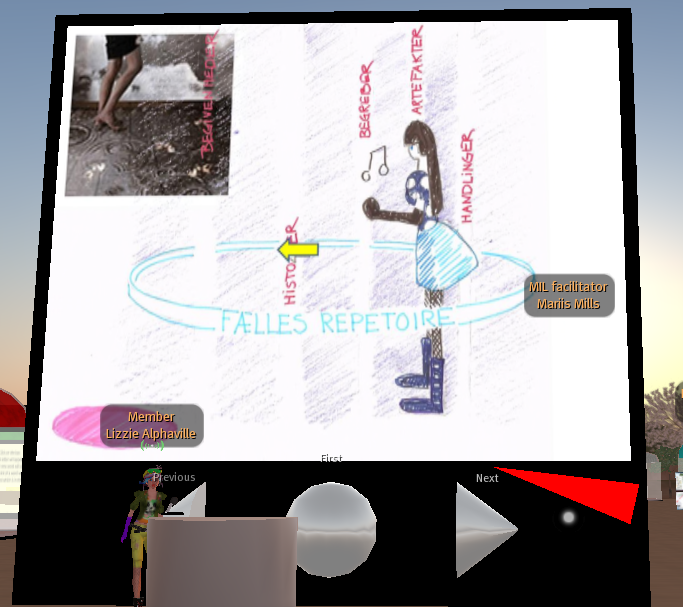
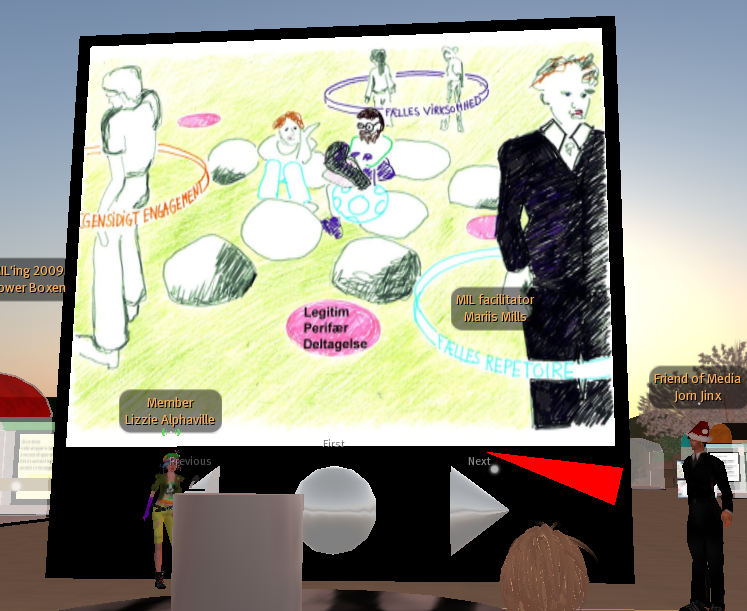
Judging the quality of designs for teaching and learning is however very complex and I think that one of the first things you need to clarify is whether the design is intended for single- or multiple-user purposes. In the case of the latter you of course also need to consider the role of other participants and e.g. a facilitator. Lizzie & Jorn found that the CoP model was a “stand-alone” model and therefore they didn’t find it interesting, but as part of their analysis they had also created a suggestion for an alternate CoP model to be used with their particular target group; dental hygienists. This imaginary model was presented as sketches drawn by Lizzie and put emphasis on 3 of the core concepts from the CoP theory;  mutual engagement, shared repertoire and joint enterprise:

By the end of their presentation Lizzie & Jorn also invited us to join them in trying to place the two CoP models within a third model, namely the model created by former MIL student Carsten Storgaard as I’ve referred to earlier in this post. It turned out to be quite difficult, but started an interesting discussion on models and their usability in general.

Afterwards in their reflections in FirstClass, Lizzie & Jorn, mentioned how difficult it is to teach when you’re unable to see the facial expressions and body language in general – the chat (text/voice) becomes crucial in environments like SL in order to get the sense of not talking to an empty space. One of the things Lizzie & Jorn also criticized about the CoP model was the lack of a place for discussion in the model if you’re in a lager group, but in hindsight they concluded that the need to gather (f2f) in order to discuss is more psychological stemming from our RL habits than practical, since there is no other reason to do so in SL where you always can communicate via group chat regardless of distance. They also felt that their presentation had raised more questions than answers, which for someone who believes in the value of unfinished dialogue was good to hear …

Besides the fact that I was really surprised by all of the students’ lacking recognition of dialogue as main means of learning, I do think Lizzie & Jorn did a great job and we all had a very interesting experience. It is, nonetheless difficult not to mention the irony of the situation; the students really criticized the CoP model and its apparent disability to promote learning, but judging from the discussions and the comments during the session it turned out to be an event with both challenging and meaningful negotiation of several of the topics in the course ;-)

/Mariis